
History of Kampar: How a Perak Town Became a Popular Student Hub
Today, Kampar is widely recognised as a university town filled with students, cafés, affordable eateries and accommodation near UTAR. However, long before university life became part of its identity, Kampar was shaped by tin mining, migration, war and economic change.
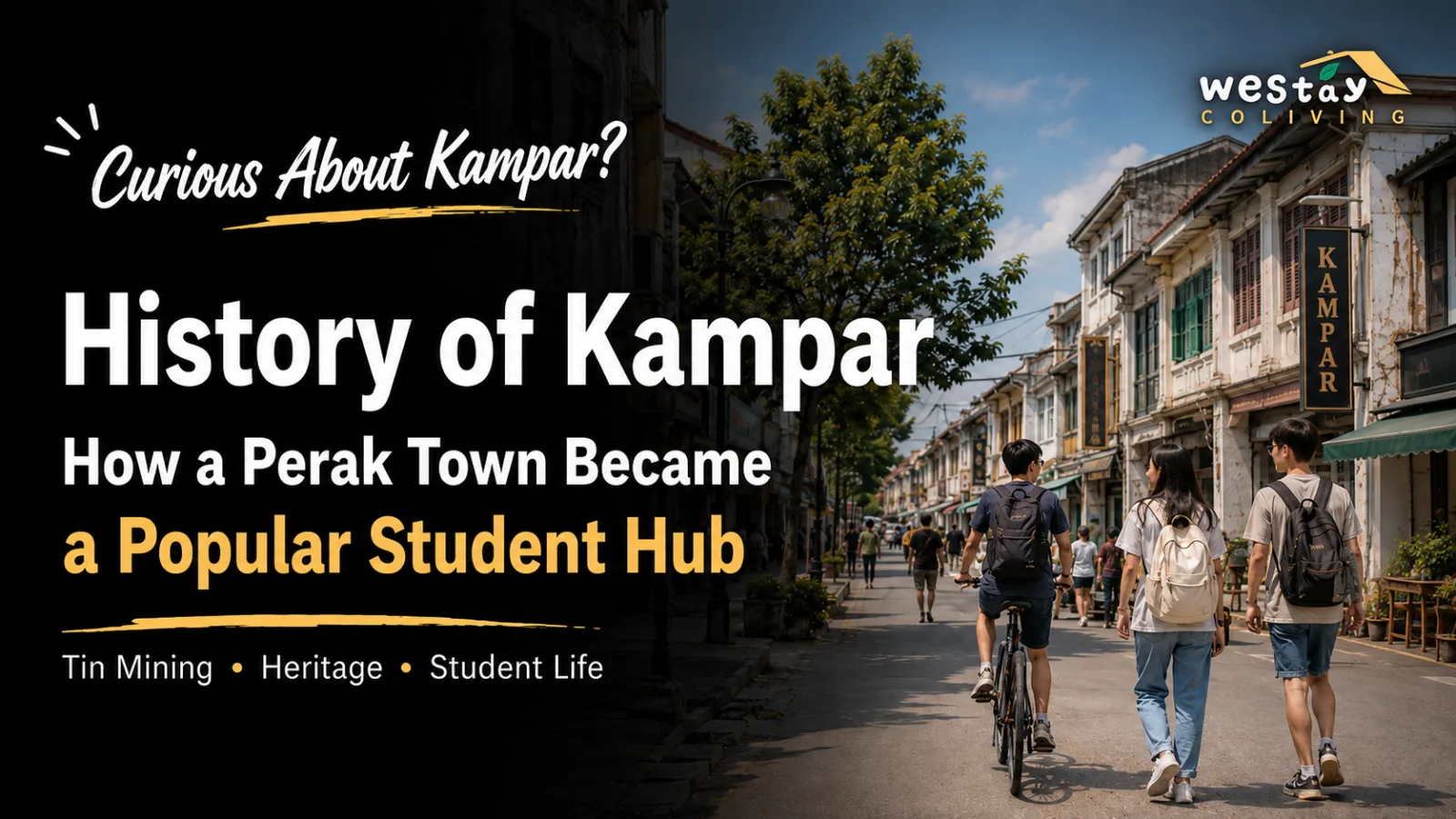
Today, Kampar is widely recognised as a university town filled with students, cafés, affordable eateries and accommodation near UTAR. However, long before university life became part of its identity, Kampar was shaped by tin mining, migration, war and economic change.
The town’s transformation from a prosperous mining settlement into a modern education hub did not happen overnight. Its story reflects the wider history of Perak, where natural resources built communities, economic decline changed local livelihoods, and education later created a new reason for people to move into the area.
For students considering UTAR Kampar, understanding the town’s history offers a different perspective on the place they may soon call home.
Kampar’s Beginning as a Tin-Mining Town
Kampar was founded in 1887 following the discovery of rich tin deposits in the area. Located within the mineral-rich Kinta Valley, the town grew during a period when tin was one of Malaya’s most valuable exports.
Mining attracted workers, traders and entrepreneurs. As the industry expanded, shops, homes, places of worship and community organisations appeared to serve the growing population.
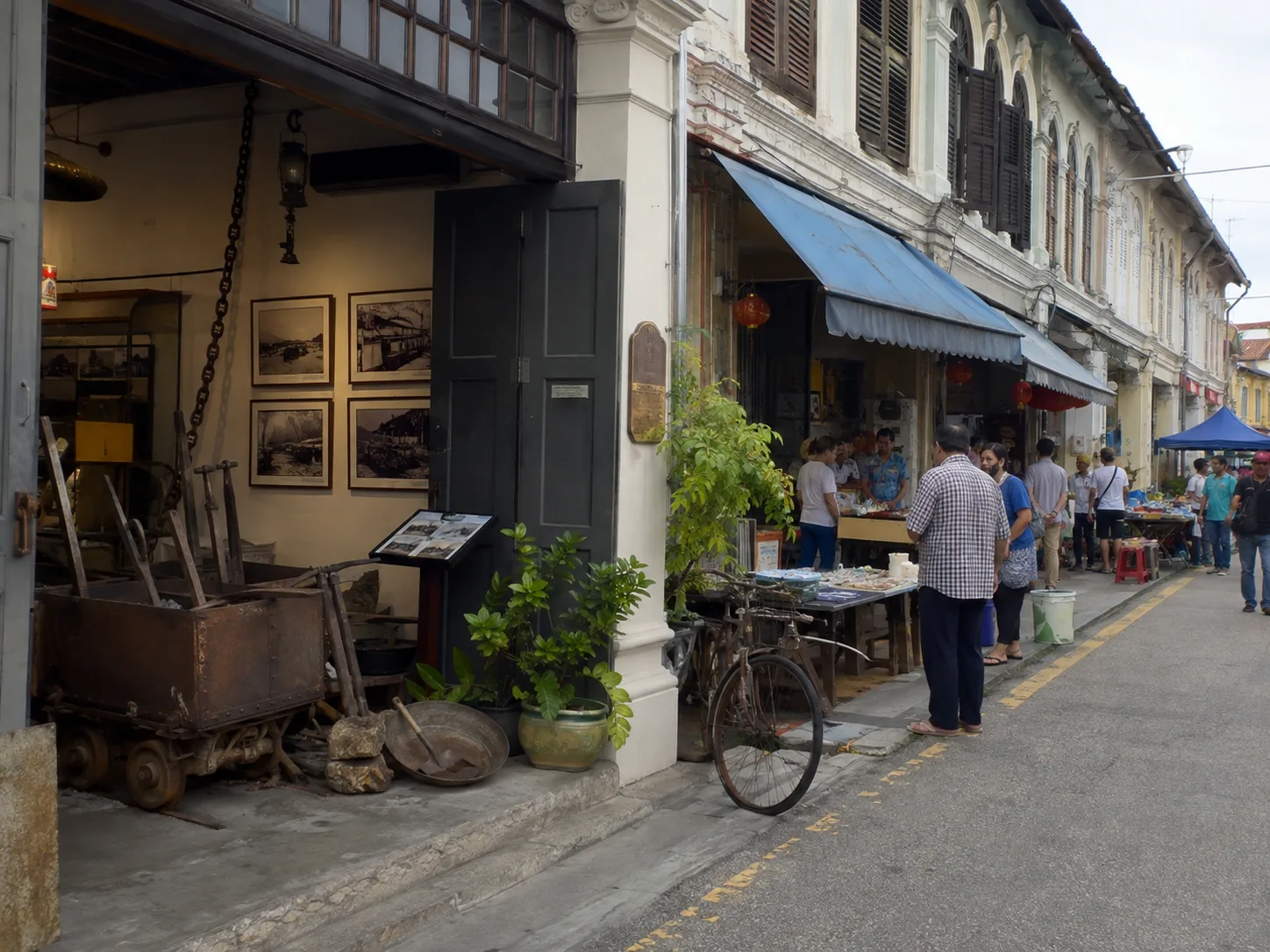
The traditional shoplots in Kampar’s old town are reminders of this period. Their architecture reflects an earlier commercial centre where businesses served miners, families and travellers moving through the area.
Tin mining did more than create jobs. It shaped the physical development of Kampar and helped form its multicultural community. Different groups brought their own food, customs and traditions, many of which remain visible in the town today.
Life During Kampar’s Mining Boom
During the height of the tin-mining industry, Kampar was an active commercial town rather than the quiet destination some people imagine today.
Mining-related businesses supported local markets, restaurants, workshops and transport services. The surrounding landscape was also changed by mining activity, leaving behind ponds and former mining land that later became part of Kampar’s distinctive scenery.
Students can still explore this heritage through places such as the Kinta Tin Mining Museum. The museum preserves equipment, photographs and exhibits connected to traditional mining methods and the communities involved in the industry.
Tin-mining festivals and heritage activities have also helped younger generations understand how strongly the industry influenced Kampar and the wider Kinta Valley.
Kampar’s Place in Second World War History
Kampar also played an important role during the Second World War.
The Battle of Kampar took place from 30 December 1941 to 2 January 1942 during the Malayan Campaign. Allied forces, including British and Indian troops, used the elevated terrain around Kampar as a defensive position against advancing Japanese forces.
The battle temporarily delayed the Japanese advance southward through Malaya. Kampar’s ridges, hills and surrounding mining landscape gave the defending forces a strategic position overlooking important routes through the Kinta Valley.
Although this wartime history may not be obvious to students arriving in Kampar today, it remains an important part of the town’s identity. The peaceful surroundings now associated with student life once witnessed one of the notable military engagements of the Malayan Campaign.
What Happened After Tin Mining Declined?
Kampar’s economy depended heavily on tin for many years. When the Malaysian tin industry weakened and eventually collapsed during the early 1980s, the town experienced a difficult period.
Mining activity declined, employment opportunities became more limited and some residents moved elsewhere in search of work. Businesses that had depended on miners and the surrounding industry also lost customers.
Kampar did not disappear, but it became quieter. Its old commercial centre remained, while the town searched for a new economic role.
This period explains why the arrival of a major university was so significant. Education did not simply add a campus to Kampar—it brought a new population, new businesses and a new direction for the town.
The Arrival of UTAR Kampar
A major turning point came when Universiti Tunku Abdul Rahman established its Kampar Campus.
The campus welcomed its first intake in 2007, beginning with approximately 500 foundation students. Located in Bandar Barat, it was developed on a large site surrounded by mountains, greenery and lakes.
As the university expanded, more students, lecturers and employees moved into the area. Demand increased for rooms, food, transport, laundry services, printing shops, convenience stores and other everyday necessities.
This growth helped develop Bandar Baru Kampar and the areas surrounding the campus. The town gradually became active again, but this time its economy was increasingly supported by education rather than mining.
From Mining Community to Student Community
Modern Kampar is often described as having two connected identities: the old town shaped by mining history and the newer areas shaped by university life.
The old town retains traditional businesses, heritage shoplots and long-established food places. The newer student areas offer accommodation, cafés, convenience stores, study-friendly spaces and services designed around university routines.
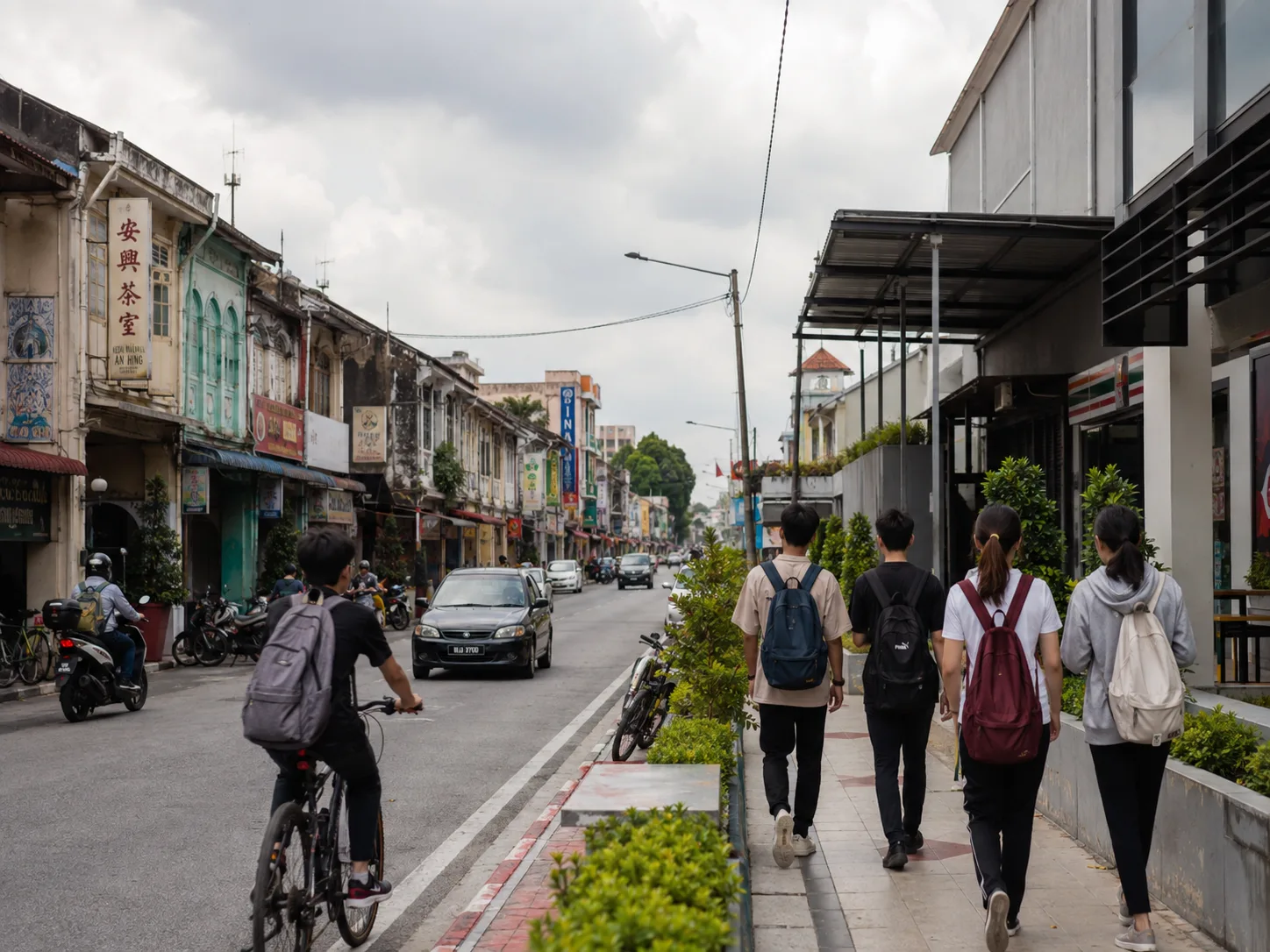
Students often walk or cycle between their rooms, campus and nearby shops. During university intake periods, new residents arrive from other parts of Malaysia and overseas, adding to the town’s changing population.
This transformation is what makes Kampar different from a university located inside a major city. UTAR is not simply one institution among many unrelated developments. It plays a central role in the town’s present-day rhythm.
Why Kampar’s History Matters to Students
Understanding Kampar’s history can make university life here feel more meaningful.
A student cycling past old shoplots is travelling through an area once supported by mining families and traders. Former mining landscapes now form part of the scenery surrounding a modern university campus. A town that once faced decline has been given another period of growth through education.
Kampar also demonstrates how towns can adapt. Its economic purpose changed, but its communities, heritage and local character remained.
Students can explore the town beyond campus by visiting its traditional food shops, heritage areas, museums and nearby natural attractions. Doing so helps them experience Kampar as more than just a place to attend lectures.
Accommodation in Modern Kampar
The growth of UTAR has created strong demand for student accommodation in Kampar.
Students can now compare different types of furnished rooms based on budget, privacy, layout and distance from daily necessities. Westay Kampar offers multiple property types for students who want move-in-ready accommodation with facilities such as fibre WiFi, smart access and dedicated study space.
Choosing a convenient room can make it easier to cycle or travel to campus, find affordable meals and manage daily university routines. Students should compare accommodation early, especially before major intake periods when popular room types may become limited.
Final Thoughts
Kampar’s history is a story of reinvention.
It began as a tin-mining town, grew into an important commercial community, experienced the effects of war and later faced economic decline when mining weakened. The arrival of UTAR in 2007 gave Kampar a new role as an education centre and helped create the student town seen today.
For students, Kampar offers more than an affordable place to study. It provides a quieter university environment built within a town that has experienced more than a century of change.
When students choose UTAR Kampar, they become part of the town’s newest chapter—one shaped not by tin, but by education, student life and a growing academic community.